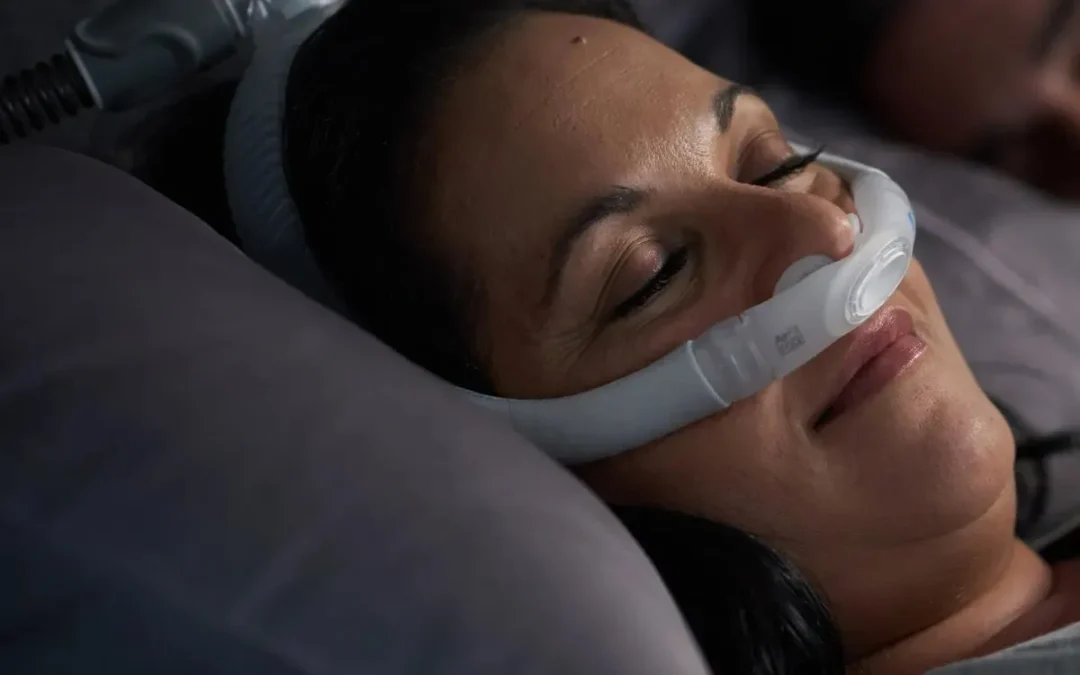
Feeling wiped out even after “sleeping” all night is common, but it isn’t normal. One of the most frequent medical causes is obstructive sleep apnea (OSA), a condition where your airway repeatedly narrows or collapses during sleep. That disrupts oxygen levels and breaks up your sleep, leaving you drained the next day.
Below are five red flags that your fatigue could be sleep apnea. If several sound familiar, it’s worth an evaluation.
1) Loud snoring with witnessed pauses, choking, or gasping
A bed partner notices you snore loudly, stop breathing, or wake with a snort or gasp. These are textbook symptoms linked to OSA and should prompt testing rather than “waiting to see.”
2) Excessive daytime sleepiness and “brain fog”
Falling asleep in meetings, dozing while watching TV, slow thinking, trouble focusing, or irritability can all reflect fragmented sleep overnight. Daytime sleepiness is one of the most reliable clinical clues for OSA.
3) Morning headaches and dry mouth
If you wake with a headache or parched mouth, it may be a sign of breathing disruptions and mouth breathing overnight. These symptoms are frequently reported in people with OSA.
4) High blood pressure that will not budge
Untreated OSA is linked with elevated blood pressure and higher cardiovascular risk. If your blood pressure is difficult to control, screening for sleep apnea is reasonable to discuss with your doctor.
5) You wake often at night and never feel restored
Frequent awakenings, unrefreshing sleep, and fatigue that does not improve with “more hours” can point to OSA disrupting your sleep architecture. Many adults are undiagnosed because they chalk this up to stress or aging.
How sleep apnea is diagnosed
For most adults with signs and symptoms suggesting OSA, two test options are used:
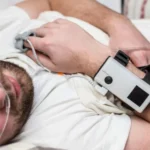
- Home Sleep Apnea Test (HSAT): A simplified test done at home for people at increased risk of moderate to severe OSA. If the HSAT is negative, inconclusive, or poor quality, you still need an in-lab study.
- Polysomnography (in-lab sleep study): The gold standard, performed overnight in a sleep lab.
Professional societies advise against using HSAT for general screening in people without symptoms. Testing should be ordered by a physician after a clinical assessment.
When to act
If you check off more than one of the signs above, especially loud snoring plus daytime sleepiness, it is reasonable to pursue an evaluation. In many cases, starting treatment improves energy, mood, and blood pressure within weeks.
Ready to get answers?
Successful Sleep and Wellness offers telehealth evaluation and testing coordination for adults. Appointments are available within 1–2 weeks.
Book online: https://calendly.com/appointments-successfulsleepandwellness
Questions: (908) 340-0027 | appointments@successfulsleepandwellness.com