
In recent years, GLP-1 medications have generated growing interest in sleep medicine. Beyond their effects on weight, recent research has examined whether these therapies may also influence sleep-related conditions, particularly obstructive sleep apnea (OSA). Here’s what patients need to know, what the research supports, and where important limitations remain.
What Are GLP-1 Medications?
GLP-1 receptor agonists are medications that mimic the naturally occurring hormone glucagon-like peptide-1. They help regulate appetite, slow gastric emptying, and improve glucose metabolism. For many patients, they also lead to substantial and sustained weight loss.
Common GLP-1–based therapies include semaglutide (marketed as Wegovy and Ozempic) and tirzepatide (marketed as Zepbound and Mounjaro). Tirzepatide, a dual agonist, is unique in that it acts on both GLP-1 and GIP receptors, which contributes to its pronounced metabolic effects.
GLP-1 Medications and Sleep: What We Know So Far
Weight Loss and Sleep-Disordered Breathing
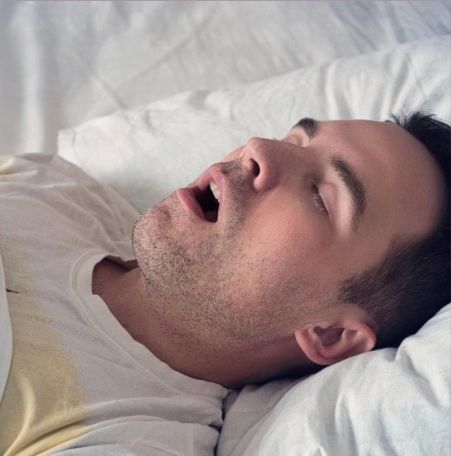
Weight plays an important role in sleep-disordered breathing. Excess tissue around the neck and upper airway can increase the likelihood of airway narrowing or collapse during sleep, which causes obstructive sleep apnea.
By supporting significant weight loss, GLP-1 therapies may reduce this mechanical burden on the airway. For some patients, this can lead to fewer breathing interruptions during sleep and improvements in sleep continuity over time.
Insomnia, Fatigue, and General Sleep Quality
It is important to clarify what GLP-1 medications do and do not treat.
Current evidence does not support GLP-1 medications as treatments for insomnia, circadian rhythm disorders, or other non–breathing-related sleep conditions. Research specifically examining their direct effects on sleep initiation, sleep maintenance, or sleep architecture outside of OSA remains limited.
Some patients report improved daytime energy as weight loss progresses, which may indirectly affect how they feel during the day. However, this should not be interpreted as a direct sleep-promoting effect.
Clinicians should also be mindful that gastrointestinal side effects, such as nausea or reflux during dose escalation, may temporarily disrupt sleep in some individuals.
Obstructive Sleep Apnea: Where the Evidence Is Strongest
The SURMOUNT Clinical Trial Program
The SURMOUNT trials have been central in clarifying the relationship between tirzepatide, weight loss, and sleep apnea.
SURMOUNT-1, SURMOUNT-2, and SURMOUNT-3
These trials demonstrated substantial and sustained weight loss with tirzepatide, often exceeding 15–20 percent of baseline body weight, when used alongside lifestyle interventions such as dietary modification and physical activity counseling. While they were not designed to assess sleep outcomes directly, this degree of weight reduction is clinically meaningful given its known impact on OSA severity.
SURMOUNT-OSA: Direct Evidence in Sleep Medicine
The SURMOUNT-OSA program consisted of two phase 3 trials that specifically evaluated tirzepatide in adults with moderate to severe obstructive sleep apnea (AHI ≥15) and obesity.
Key findings included:
- Significant reductions in the apnea–hypopnea index (AHI), reflecting fewer breathing interruptions during sleep
- Improvements in overnight oxygen levels
- A strong correlation between weight loss and reduced OSA severity
- Favorable effects on cardiometabolic markers often affected by untreated sleep apnea
These results led to FDA approval of tirzepatide (Zepbound) for the treatment of moderate to severe OSA in adults with obesity, making it the first pharmacologic therapy approved for this indication.
What This Means for Patients
Can GLP-1 Medications Replace CPAP?
GLP-1 therapies can meaningfully reduce sleep apnea severity for some patients, but they are not a universal replacement for CPAP or other airway-directed therapies.
Some individuals may experience enough improvement to reassess their treatment needs, while others will continue to benefit from CPAP, oral appliances, or other interventions based on airway anatomy and residual disease severity.
Treatment decisions should always be individualized and guided by follow-up evaluation.
Symptom Changes Patients May Notice
Patients may experience:
· Fewer breathing disruptions during sleep
· Gradual improvement in daytime functioning as sleep quality improves
· Benefits that evolve over months, rather than immediately. These changes are largely driven by weight loss and improved breathing during sleep, not by a direct sedative or sleep-inducing effect.
Important Considerations
Side Effects
GLP-1 medications commonly cause gastrointestinal symptoms, such as nausea, vomiting and diarrhea during dose escalation. These effects are usually temporary but may affect sleep comfort early in treatment.
Ongoing Research
While evidence supporting improvement in moderate to severe OSA is strong, longer-term data is still needed to better understand sustained benefits and clarify which patient subgroups benefit most.
Conclusion
GLP-1 medications, particularly tirzepatide, are changing how clinicians approach sleep-related breathing disorders associated with obesity. By supporting meaningful and sustained weight loss, these therapies can significantly reduce obstructive sleep apnea severity and improve related cardiometabolic health in appropriately selected patients.
At the same time, expectations should remain balanced. GLP-1 medications enhance sleep apnea management rather than instantly cure it. Their benefits develop over time and are best realized as part of a comprehensive care plan that may include CPAP or other airway-directed therapies when indicated, lifestyle intervention, and ongoing medical follow-up.
Key Takeaways
- GLP-1 therapies can improve both weight and sleep-related breathing outcomes in some patients.
- Improvements in obstructive sleep apnea severity are supported by phase 3 clinical trial evidence in moderate to severe disease.
- These medications are most effective when used as part of an individualized and comprehensive treatment plan, not as a standalone solution for all sleep problems.
References:
1. https://www.nejm.org/doi/full/10.1056/NEJMoa2206038
2. https://www.acc.org/Latest-in-Cardiology/Clinical-Trials/2022/08/04/15/32/SURMOUNT-1
3. https://www.nature.com/articles/s41591-023-02597-w
5. https://www.acc.org/Latest-in-Cardiology/Clinical-Trials/2024/06/24/16/16/surmount-osa
6. https://pubmed.ncbi.nlm.nih.gov/41540105/
8. https://www.sleepfoundation.org/sleep-apnea/glp-1-for-sleep-apnea